


- 2021-2024
- 7 Partners:
- Coordination UGE (COSYS/ESTAS)







 P. Pellegrini |
 B. Pascariu |
 S. Sobieraj-Richard |
 S. Di Cola |
 F. Naldini |
 J. Rodriguez |
 G. Marliere |
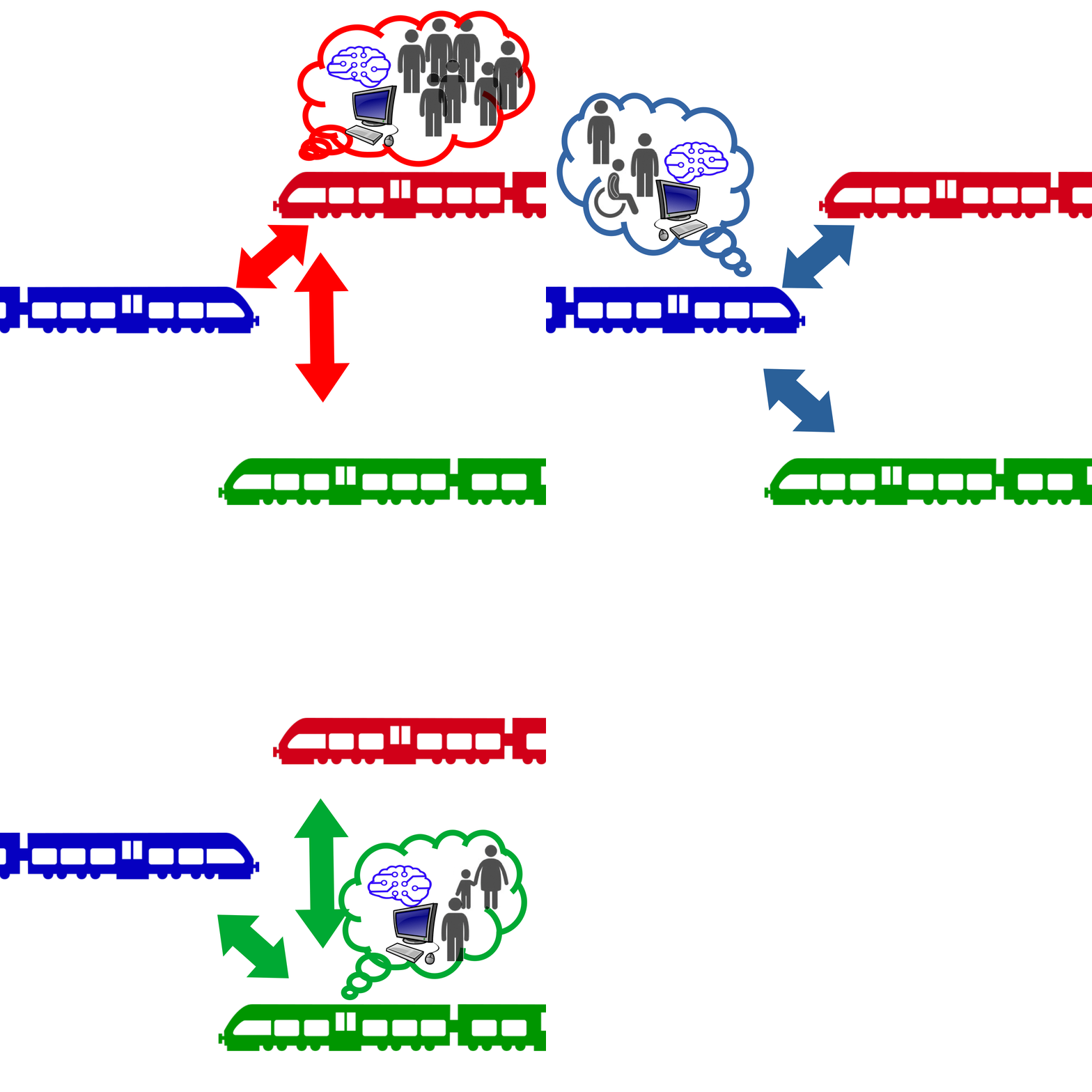
Self-organized approach to rail transport
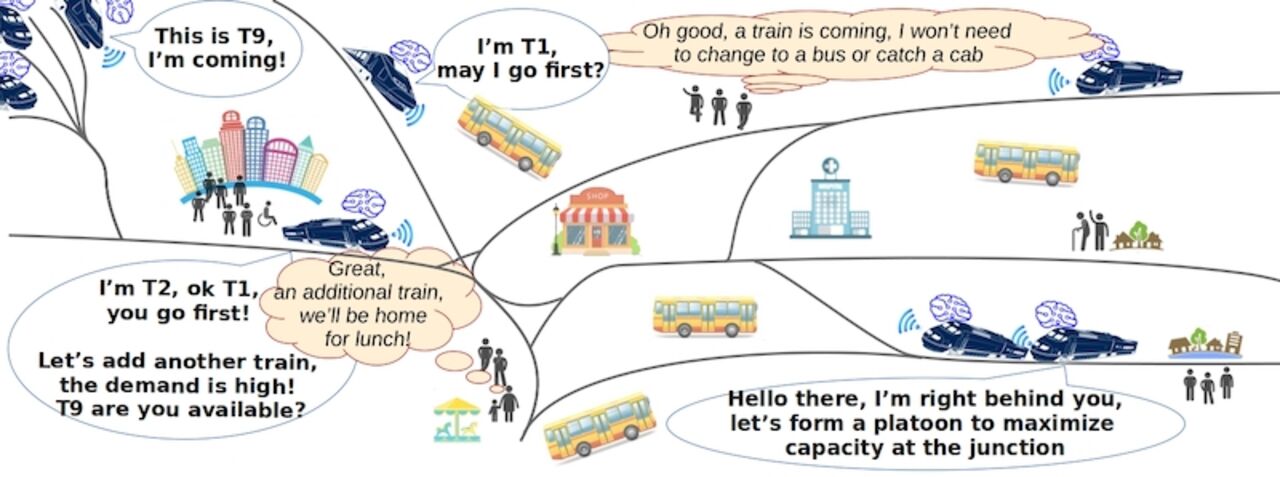
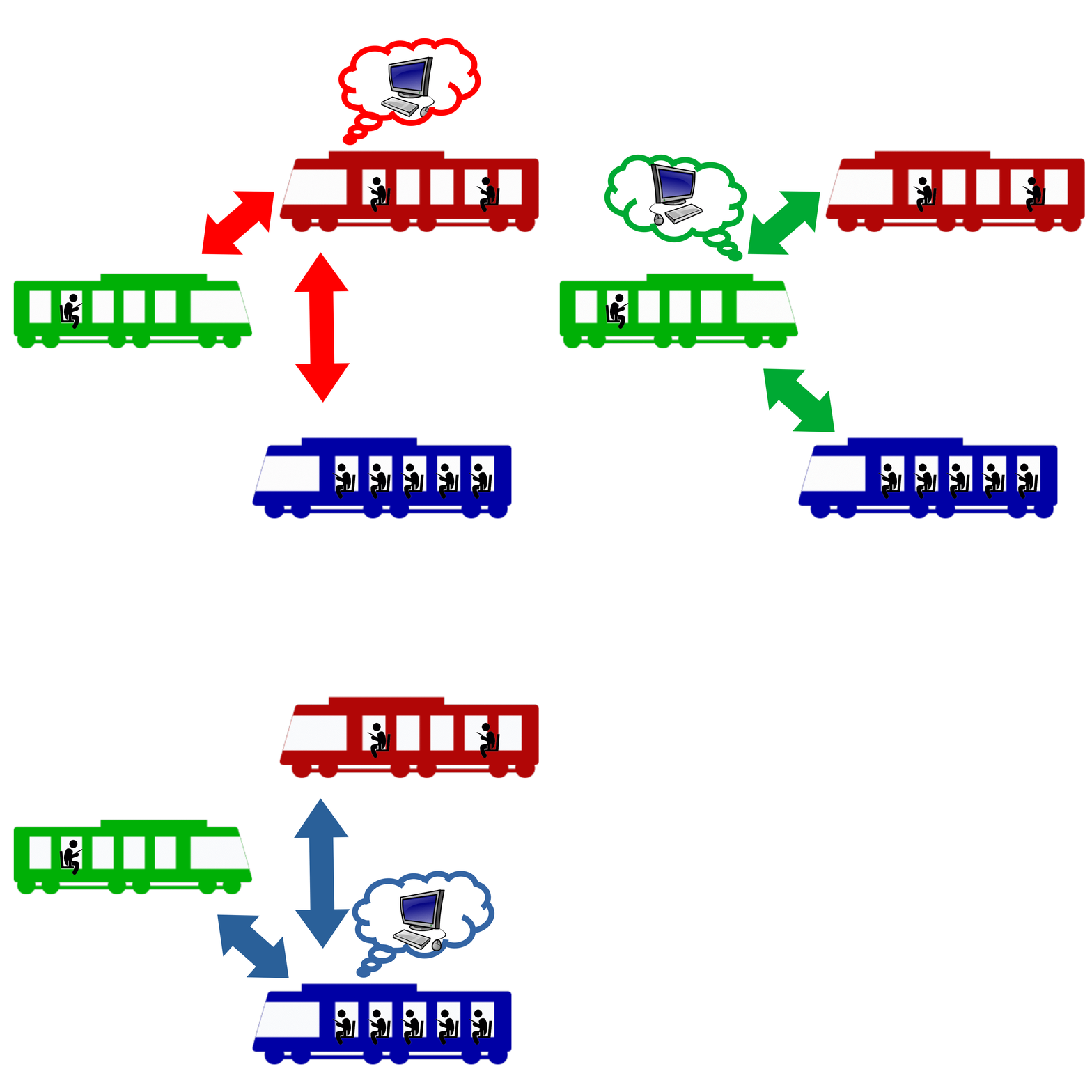
Intelligent trains make traffic management decisions.
Potential benefits:
- improved system responsiveness and scalability
- ability to preserve confidential information
Self-organized approach to rail transport
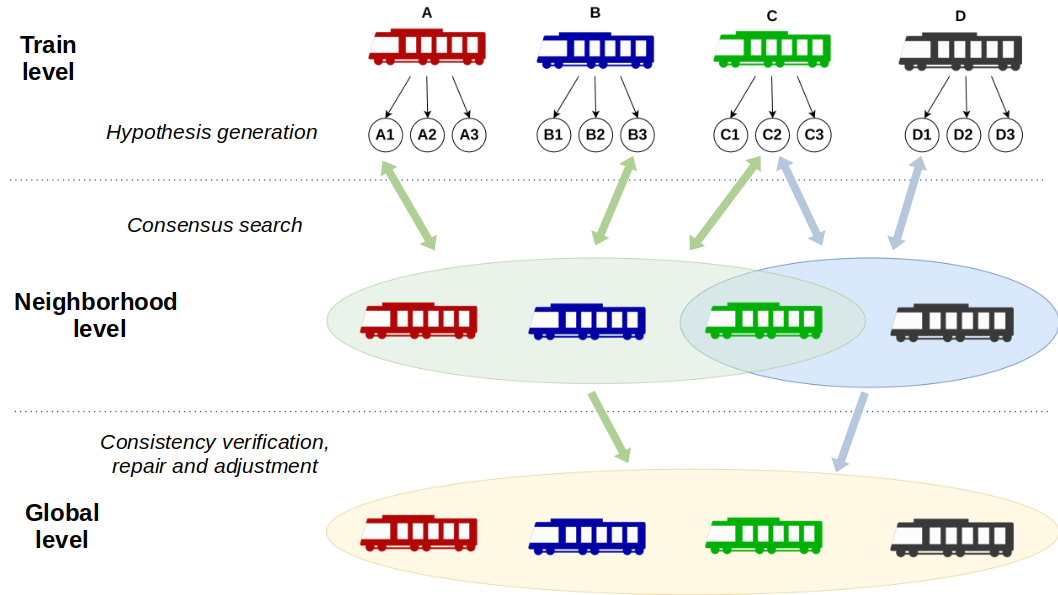
Case Studies and Architecture

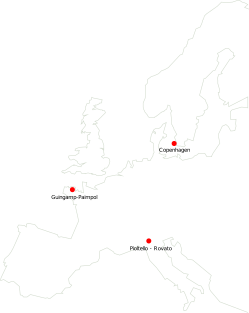
Guingamp-Paimpol
Current characteristics:
- Regional line with low traffic
- Single track with a passing loop at Pontrieux station
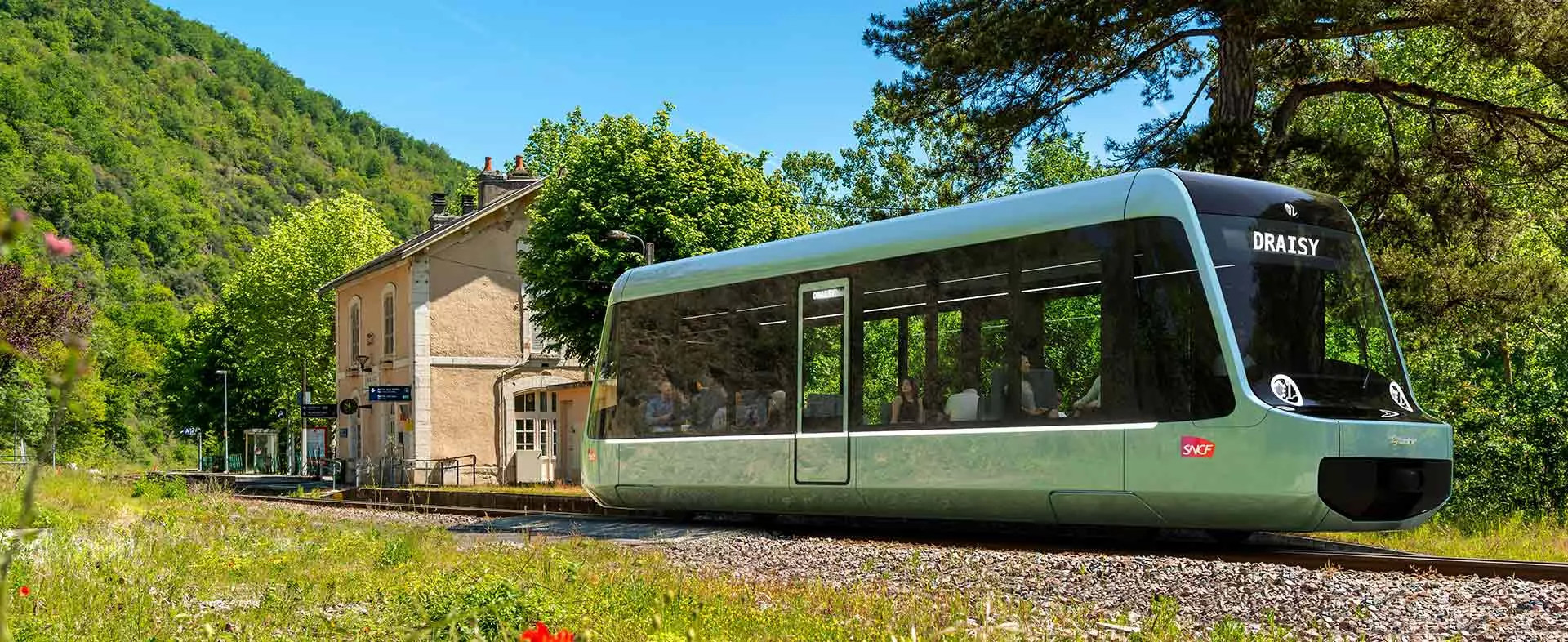
- Use of DRAISY light trains
- Increased frequency
- Addition of 2 more passing loops
Timetables
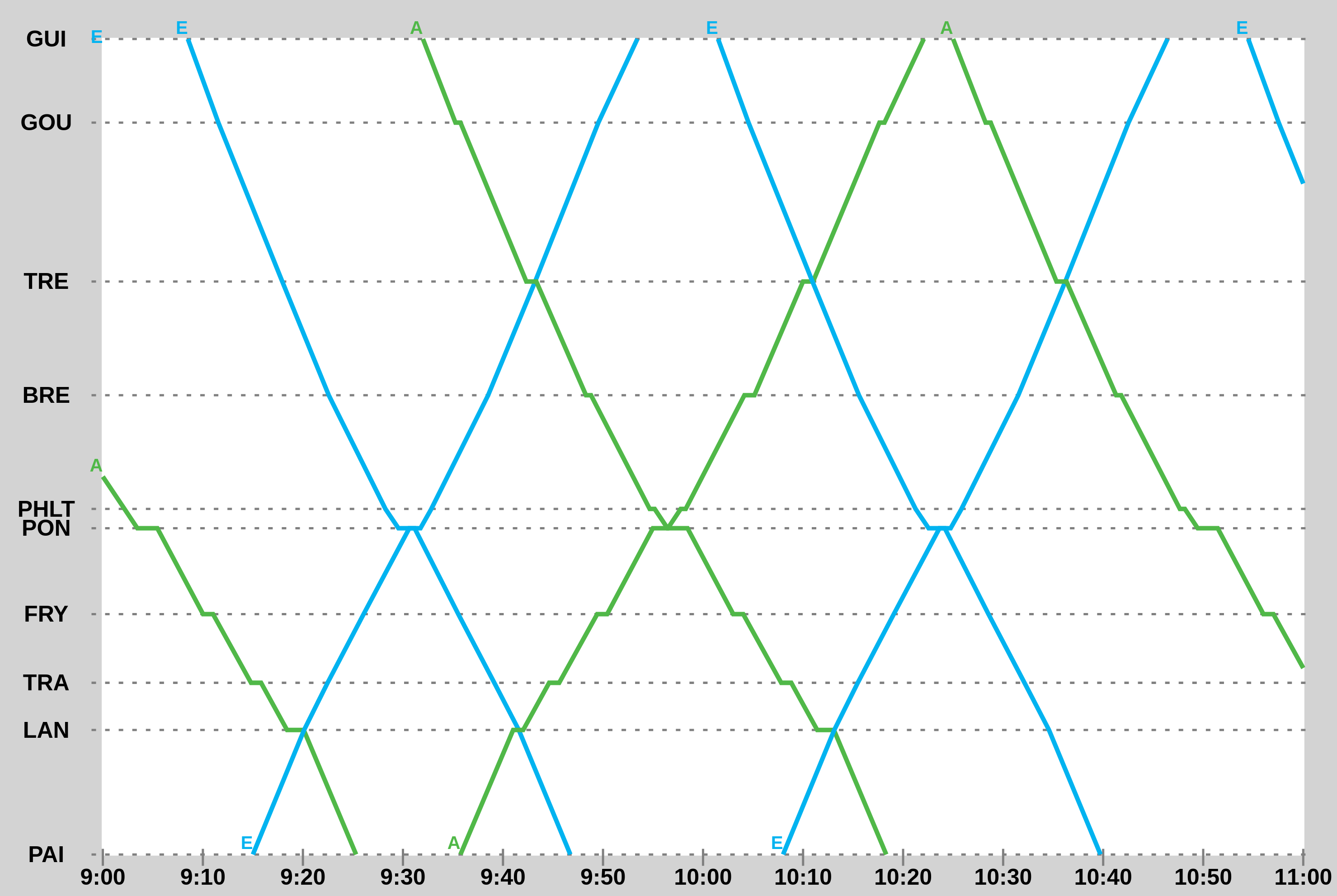
Guingamp-Paimpol
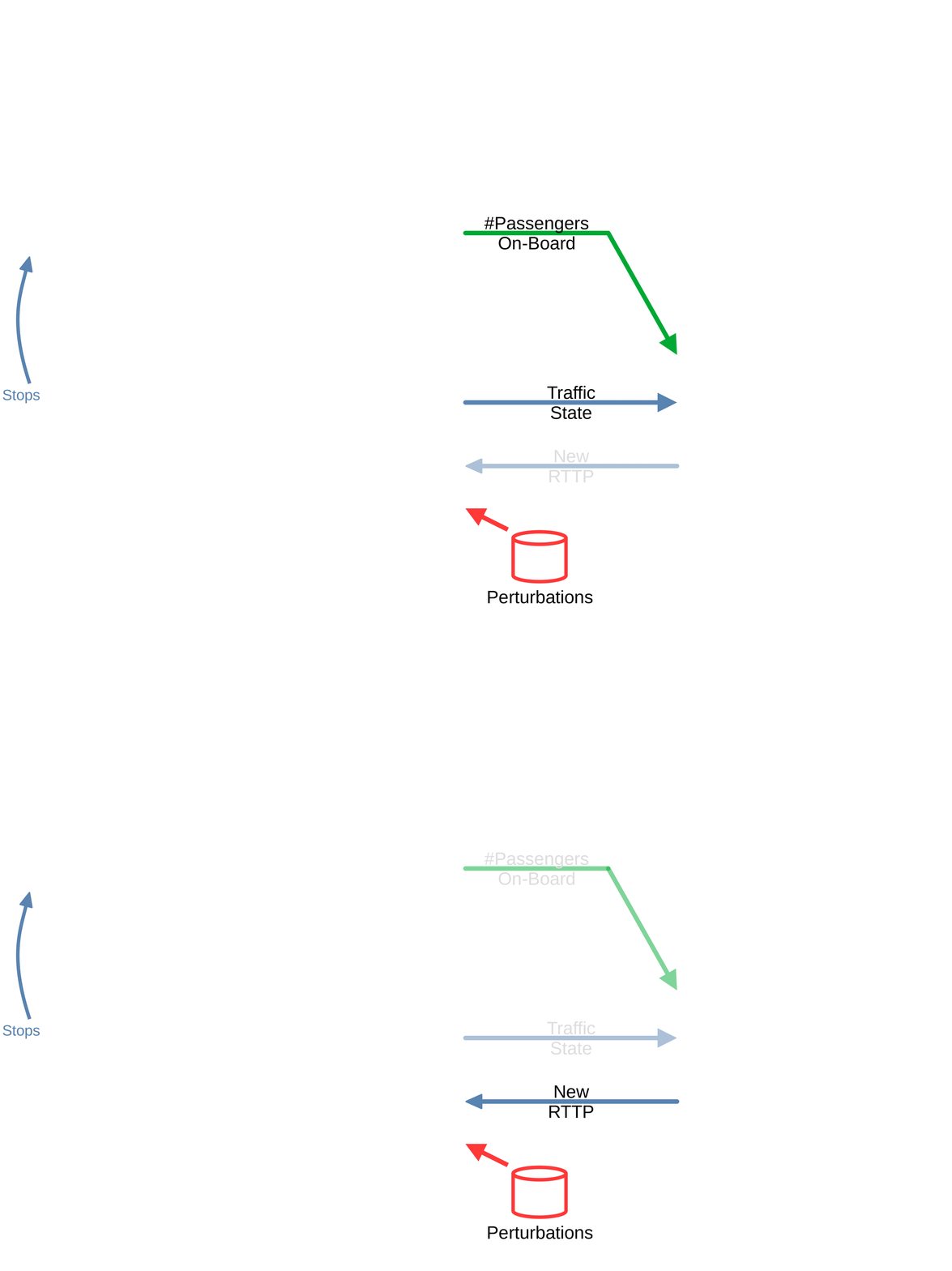
Railway Traffic Simulation
Passenger Simulation
Traffic Management
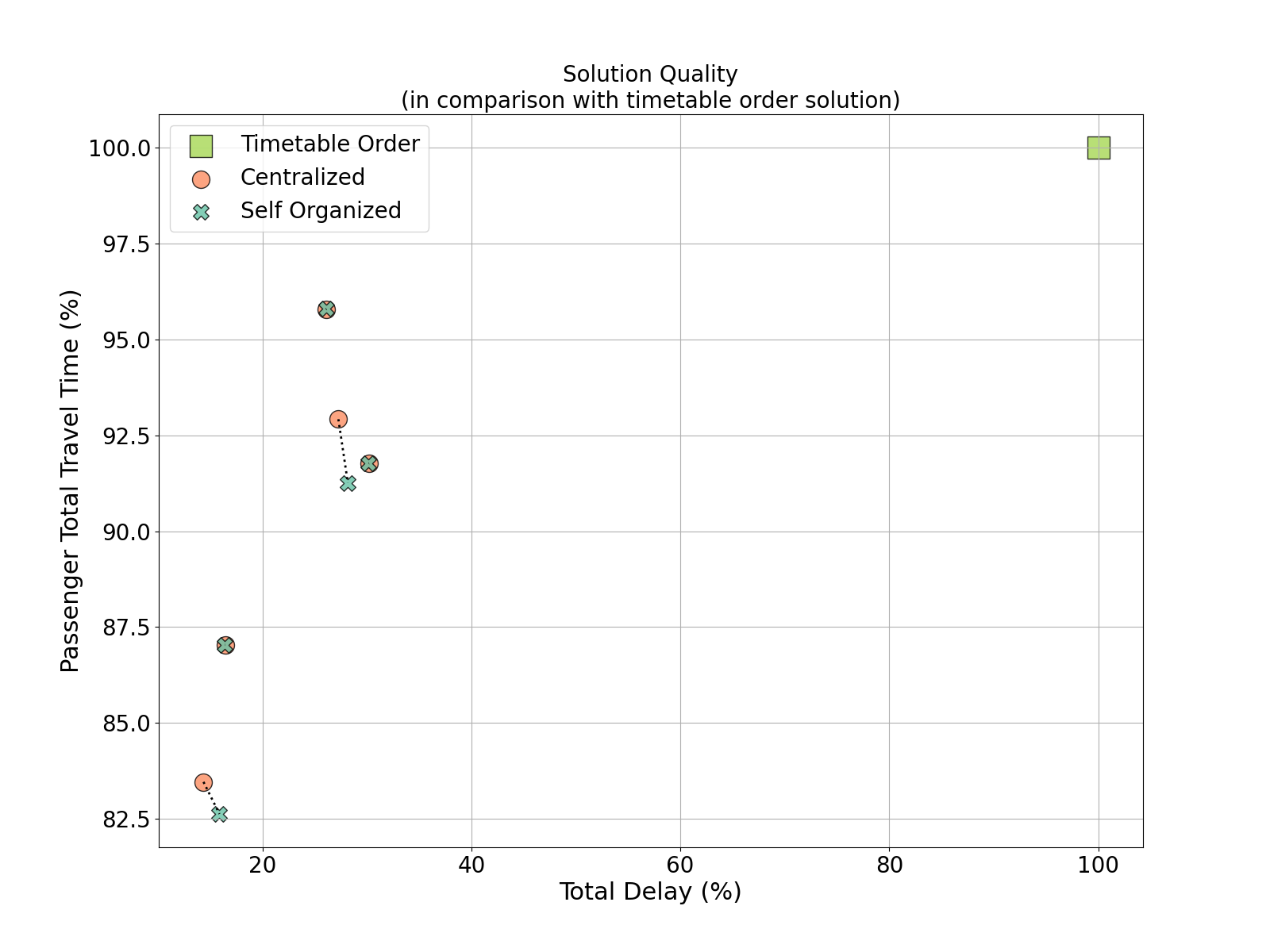
Results - Extended Stops
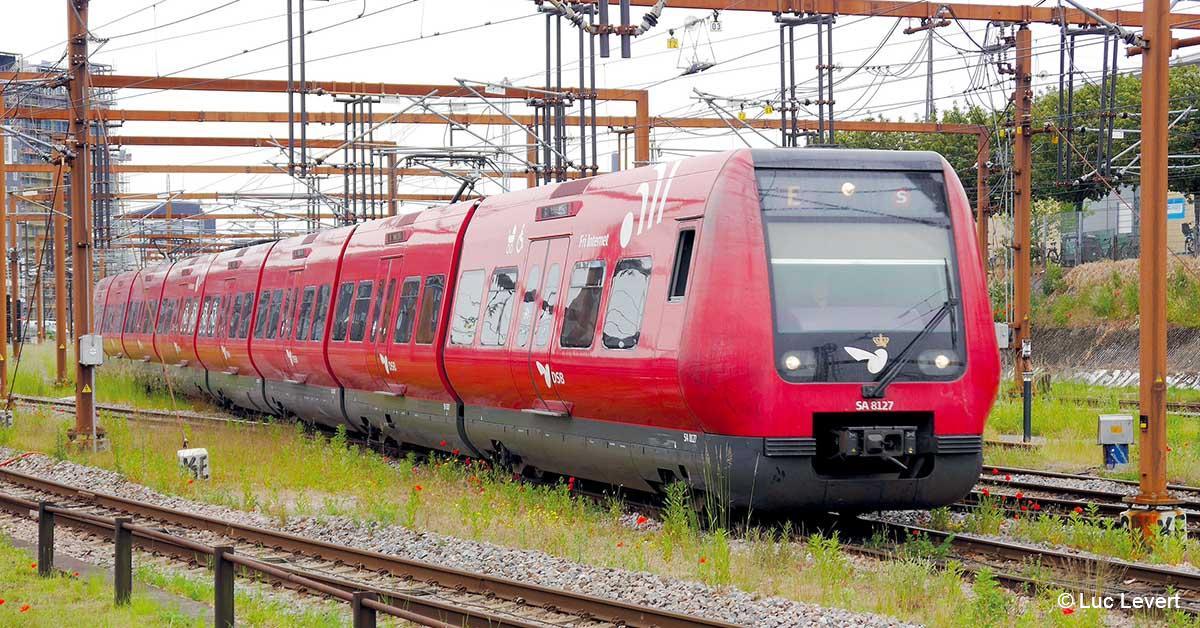
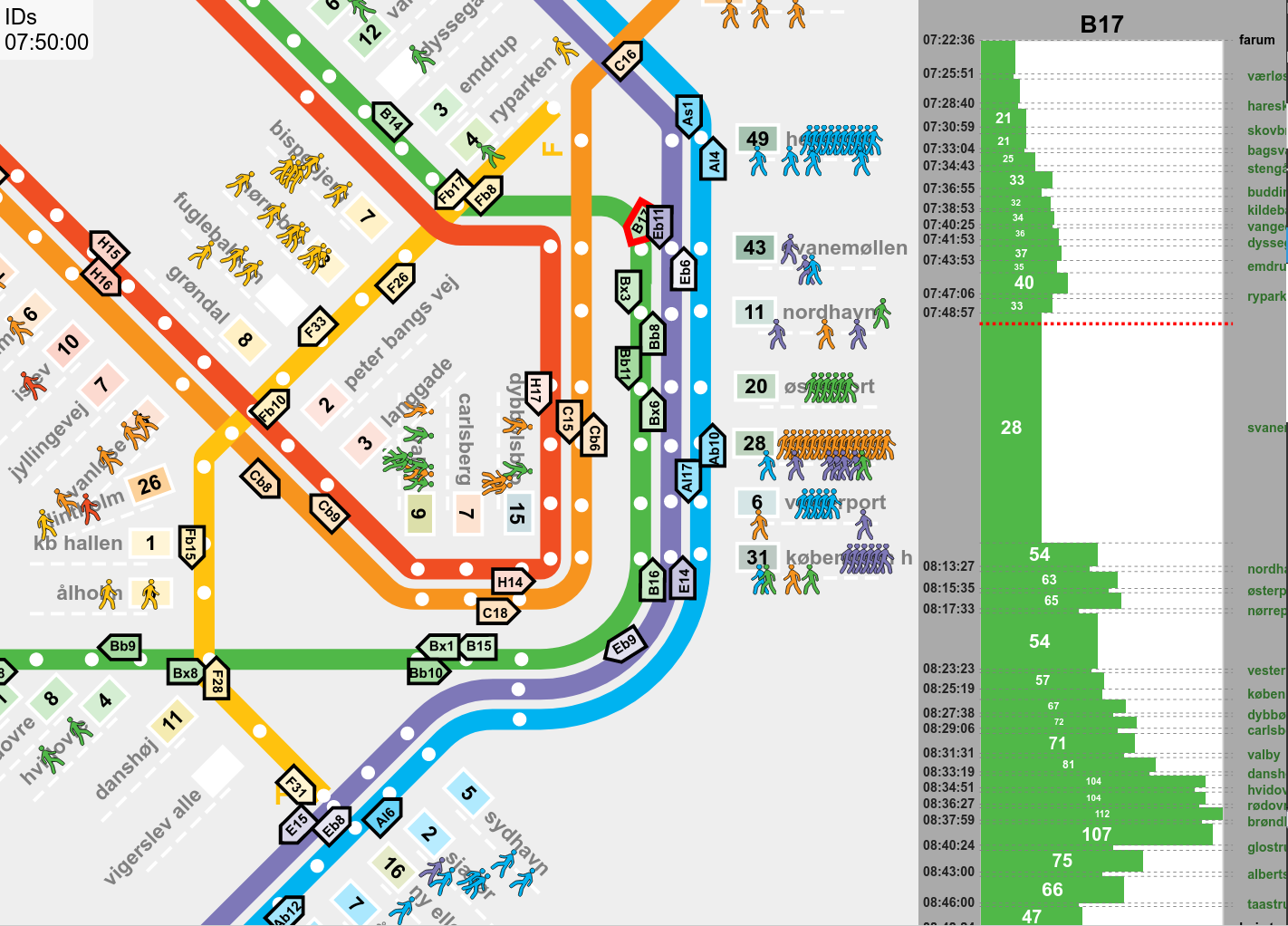
Copenhagen
- Dense network equipped with a CBTC system:
- 6 branches converging towards the central section shared by all lines
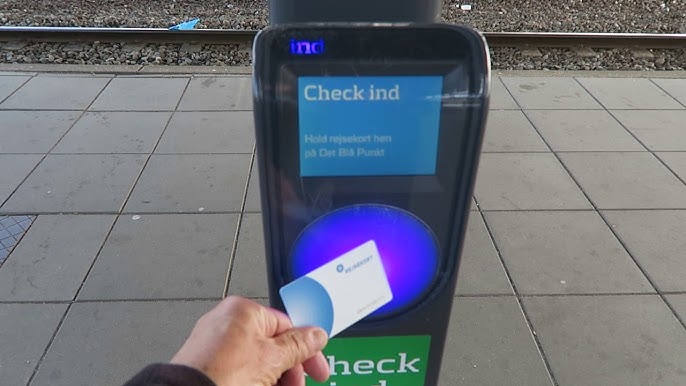
- Detailed passenger flow data:
- Entry/exit validation
- Collection of precise data on origin-destination movements
- Enables real-time tracking of passenger flows
Timetables
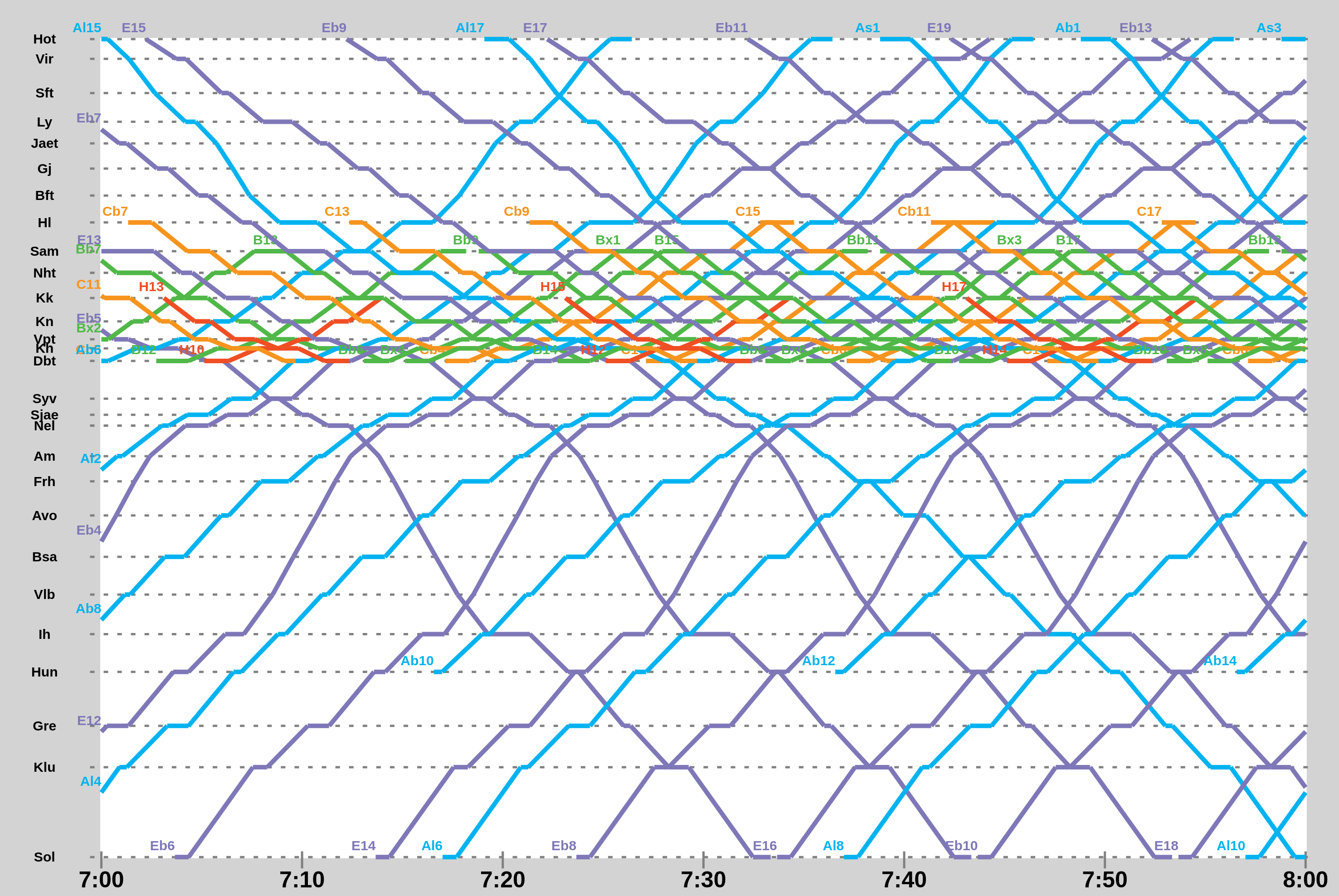
Copenhagen
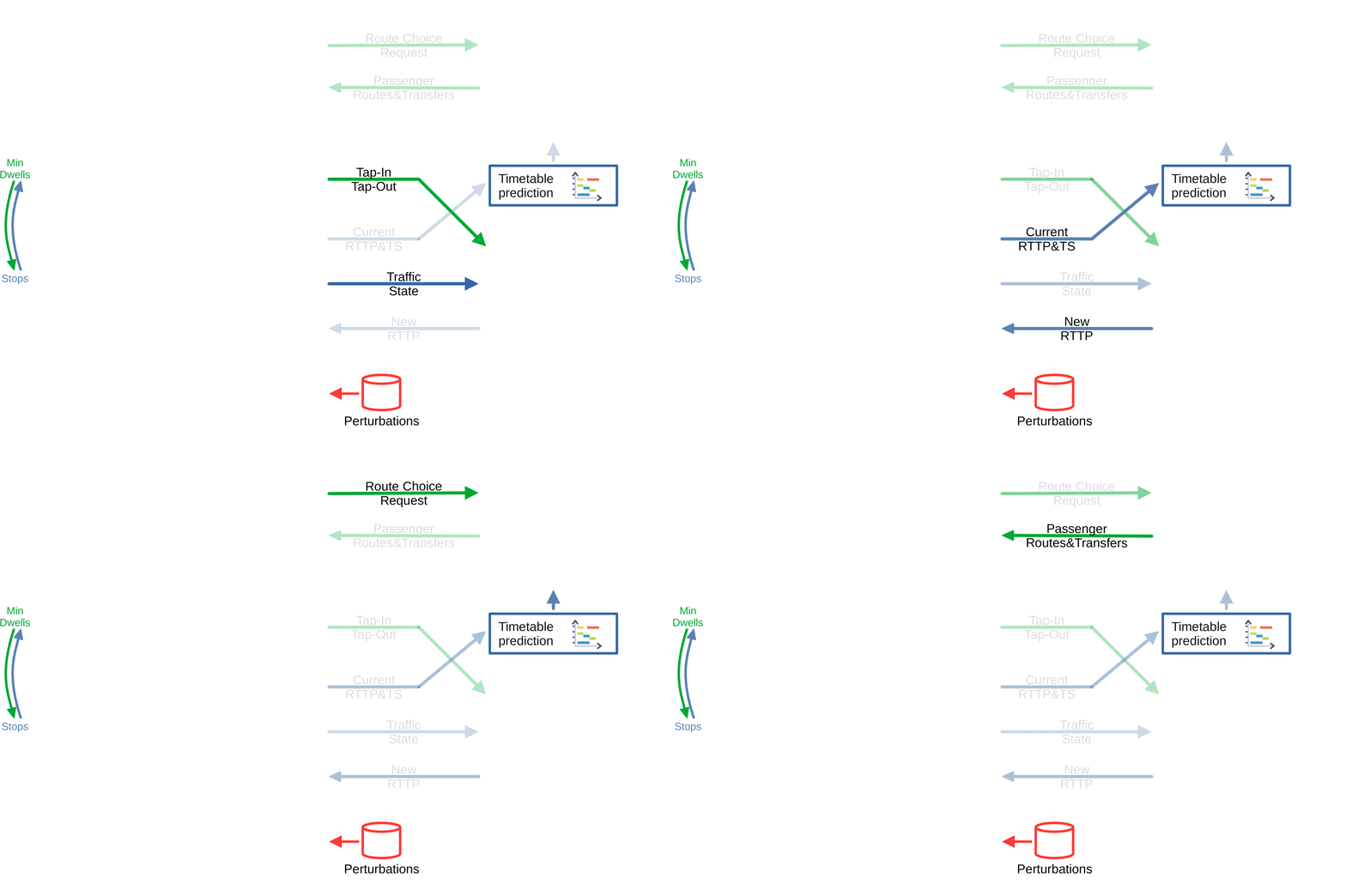
Railway Traffic Simulation
Passenger Simulation
Route Choice Computation
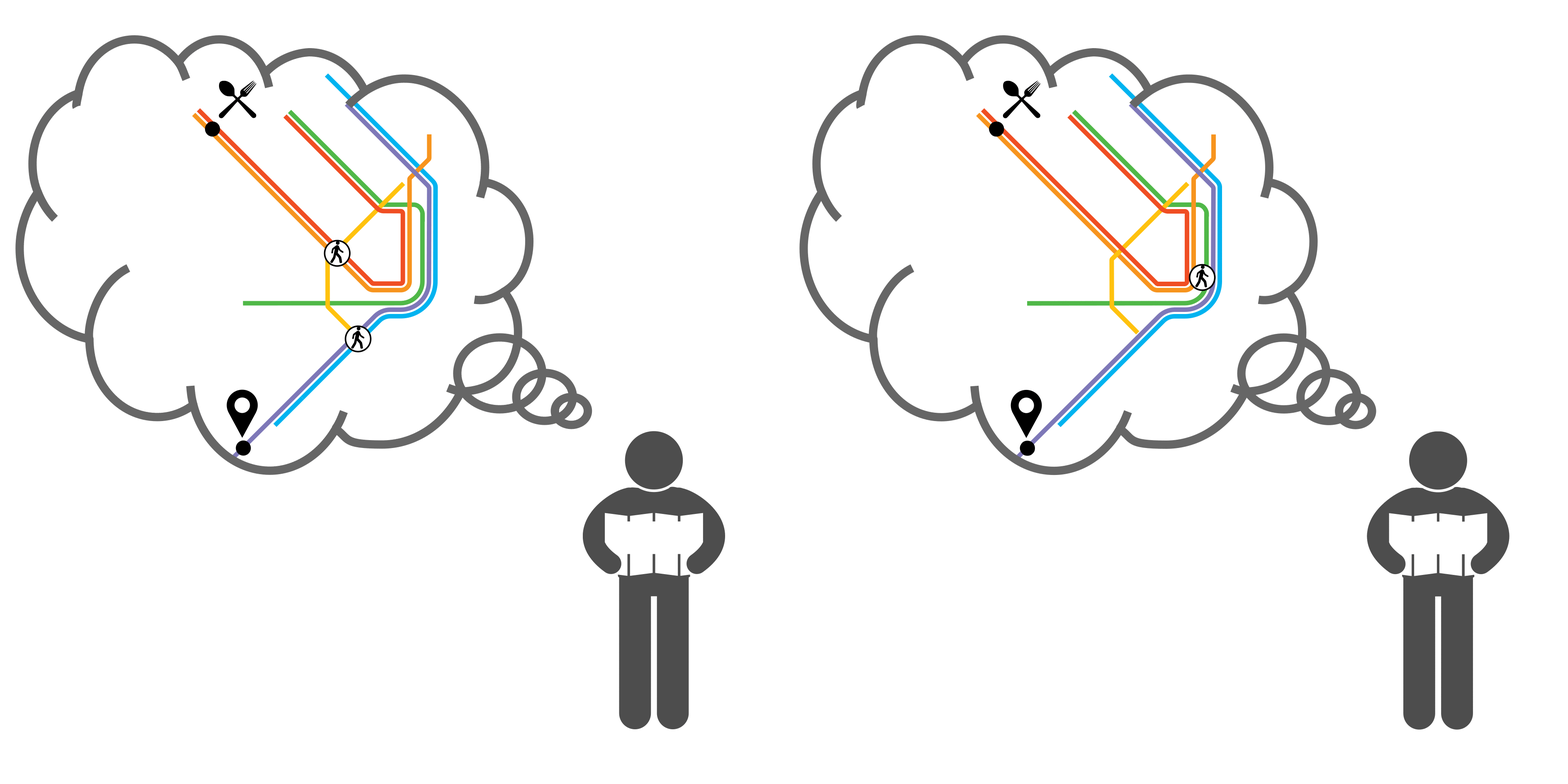
Traffic Management
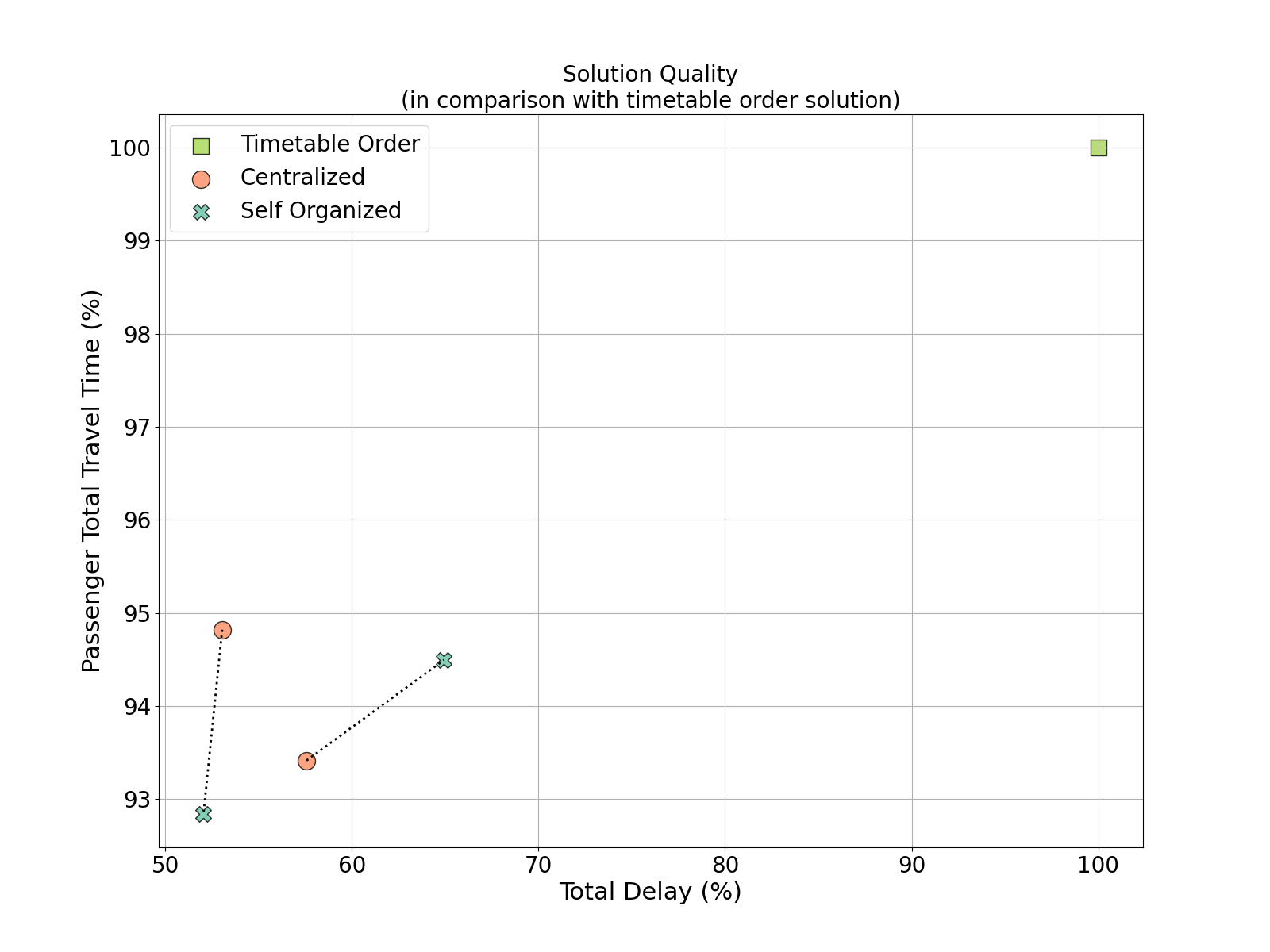
Results
Myopic Decision: Eb11 before B17
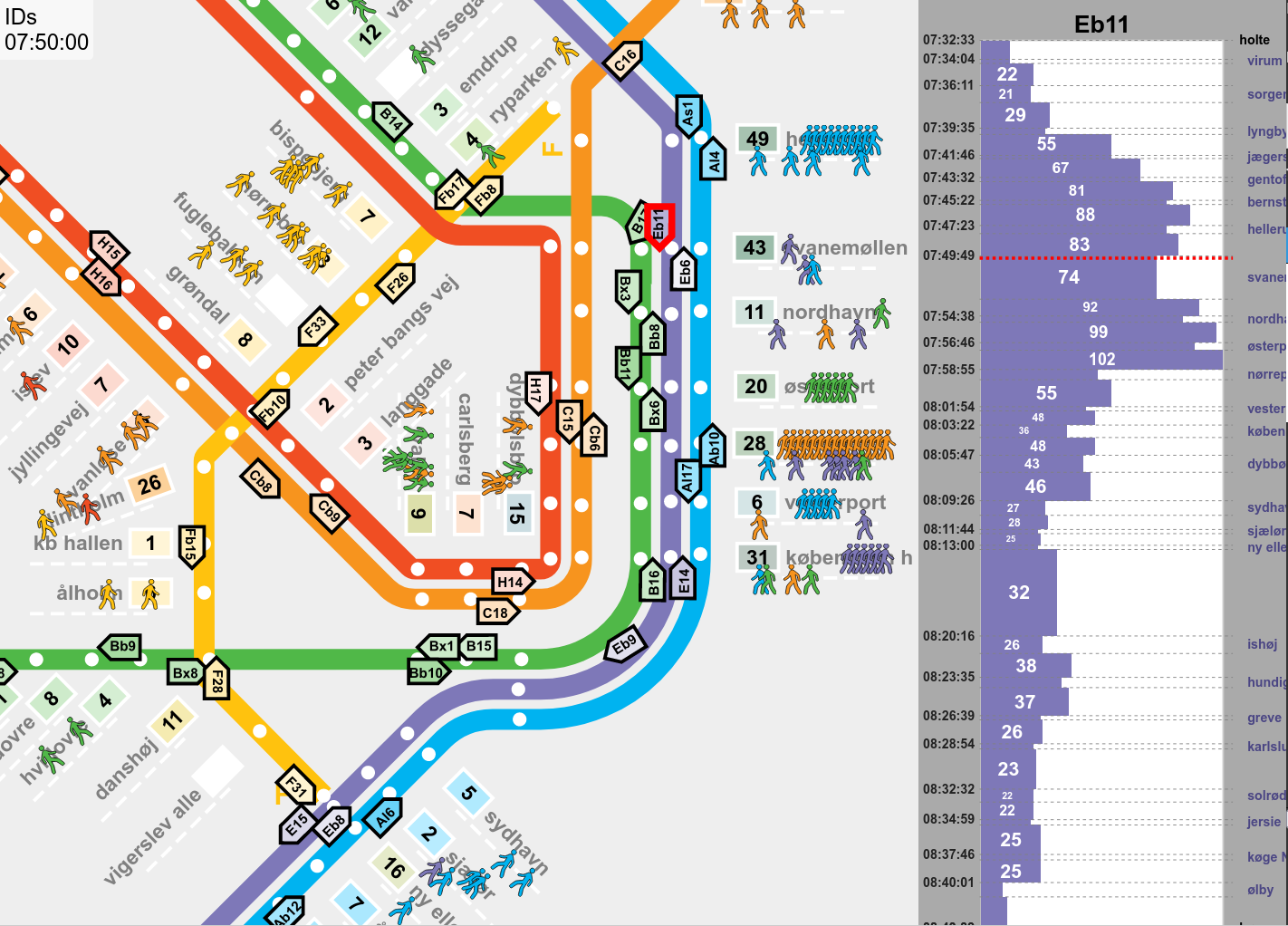
Myopic Decision: B17 after Eb11
Conclusions:
- Performance: good level achieved with self-organization compared to centralized systems
- Data: advantage of decision-making without sharing confidential data in a competitive environment
- Relevance for small lines: opportunity to revitalize 9000 km of small lines in France (17% of traffic)
Perspectives:
- Cost evaluation:
- Necessary investments for on-board intelligent systems
- Possible savings on control centers
- Governance: need to redefine the roles of railway companies
- Technical aspects: security and communication issues to be resolved